
What Actually Happens on a Commercial Shoot Day
If you have never been on set, the day can look like a lot of standing around punctuated by short bursts of filming. Here is what is really going on, hour by hour, and where your input matters most.
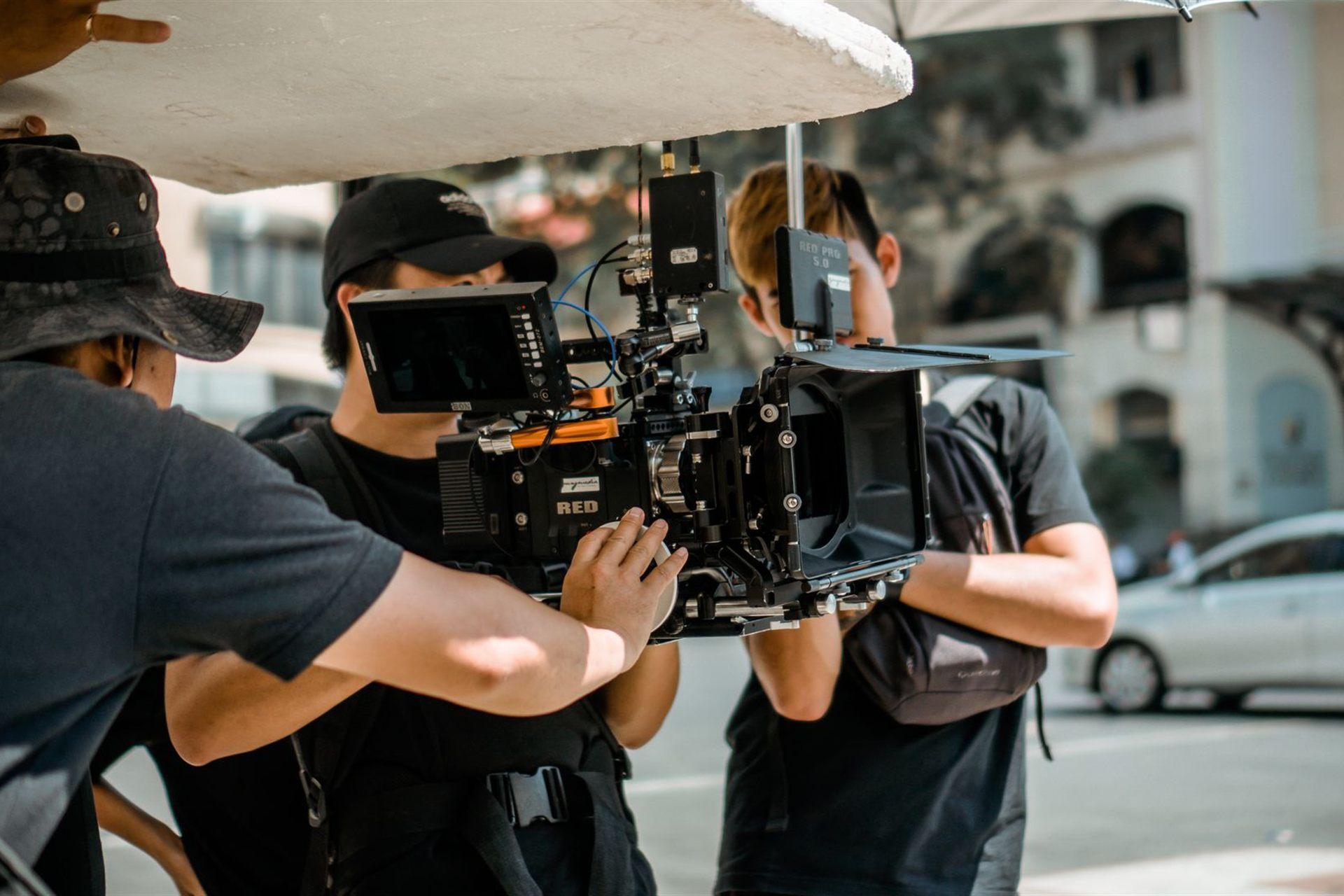
Clients are often surprised by their first shoot day. They expect it to look like filming and it mostly looks like preparing to film. Understanding the rhythm makes the day far less stressful. It also tells you exactly when your opinion is worth the most, and when offering it costs an hour.
Call time and setup
Crew arrives before anything is filmed, typically an hour or more ahead of the first shot. Gear is unloaded, power is run, the camera is built, and the lighting team starts on the first setup. This is unglamorous and it is the part that determines whether the day finishes on time.
If you are attending, arrive at call time rather than at the time you think filming starts. The first conversation of the day, confirming the shot list and any overnight changes, is the cheapest place to change your mind.
Blocking and lighting the first setup
Blocking means deciding where people and camera go. Once that is locked, the lighting team builds to it, and that build is why the first shot of the day always takes the longest. Often ninety minutes for a setup that later takes twenty.
Everything after the first setup is faster because the room is already lit and only the adjustments change. This is also why moving locations mid-day is expensive: you are paying for that first setup twice.
Rehearse, roll, repeat
A take is rehearsed, filmed, reviewed, and filmed again. Most shots are covered several ways (a wide to establish, a medium for the action, a close for the detail) because an editor without coverage has no options, and a spot cut from a single angle looks like a single angle.
The repetition is not indecision. Coverage is what makes the edit possible.
Where your input matters
There are two moments where a client's opinion changes the outcome cheaply and one where it is expensive:
- Before the first take of a setup, say it now. Wardrobe, product placement, a logo facing the wrong way, a line of dialogue that legal will not clear. All of it is free to fix at this point.
- At the monitor, after the first good take. This is the moment to confirm the shot is what you pictured, while the lighting and blocking are still standing.
- After the setup is struck. This is the expensive one. Rebuilding a lit setup costs the same as building it did, and it comes out of the shots still on the list.
Lunch, and why it is non-negotiable
Crews break roughly six hours after call. It is scheduled, it is contractual on union jobs, and pushing through it does not buy you time. It buys you a slower afternoon and, on longer engagements, meal penalties.
The back half
Afternoons move faster. Setups are quicker, the crew has the rhythm of the location, and the shot list starts closing. Good producers keep a short list of nice-to-have shots for exactly this window, so any recovered time turns into extra coverage rather than an early wrap.
Wrap
Wrap is not the end of the day. Gear is struck, media is offloaded and backed up to at least two drives before anything is wiped, and the location is returned to how it was found. Budget an hour, and do not schedule the celebration dinner against it.
What to bring
- The approved shot list, printed. Phones die and reception fails on location.
- One decision-maker who can approve on the spot. A shoot waiting on an email is a shoot burning daylight.
- Product, packaging, and wardrobe in duplicate. Things get scuffed, spilled on, and lost.
- Any legal or brand mandatories in writing, not from memory.
The single biggest predictor of a smooth day is not budget or crew size. It is whether the decisions were made in pre-production or left to be made on set.
Related articles
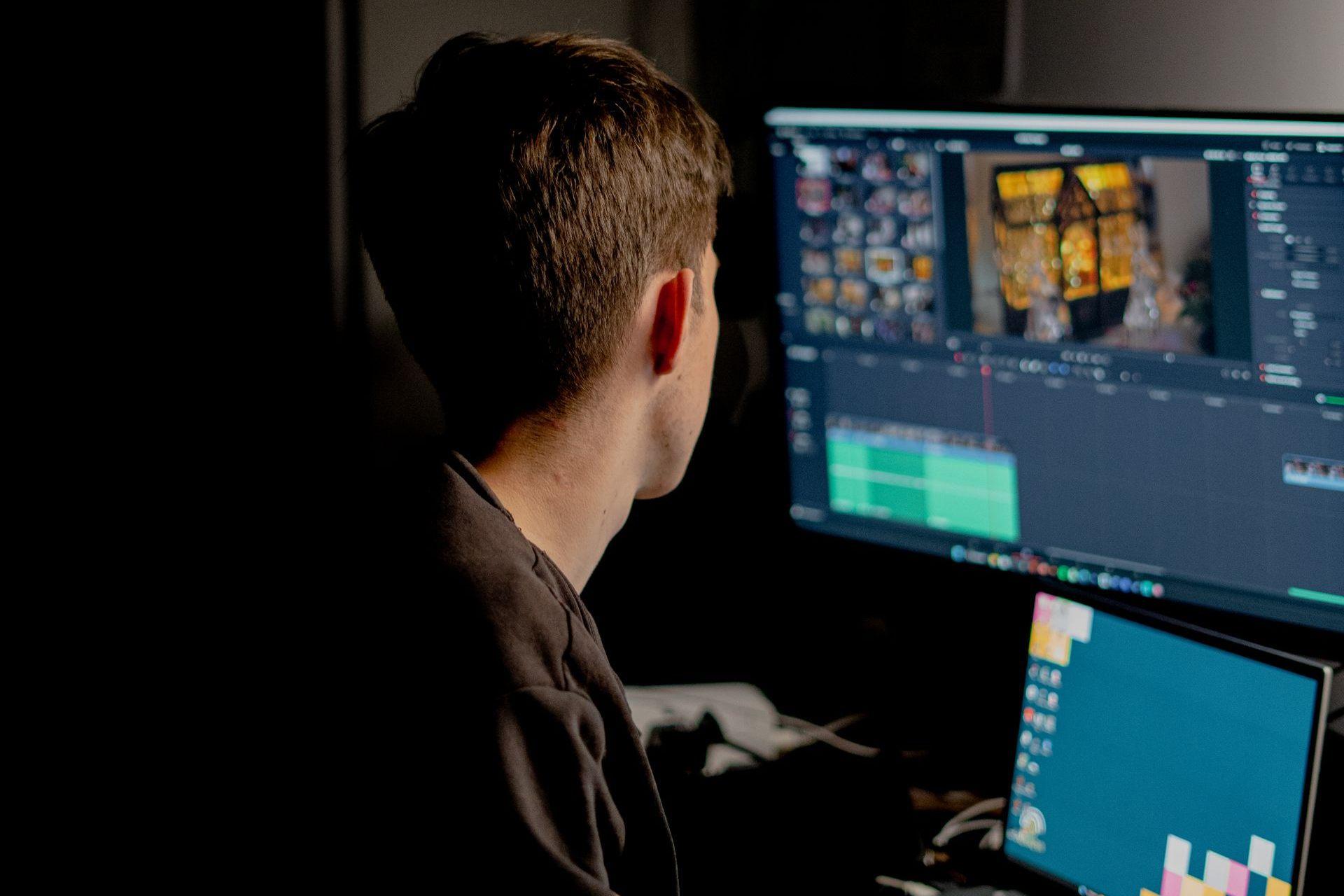
The Top 5 Video Editing Programs for Real Production Work
Every editor has a favourite and every favourite has a reason. Here is what each of the five major programs is actually good at, and how to pick the one that fits the work you are doing.
5 min read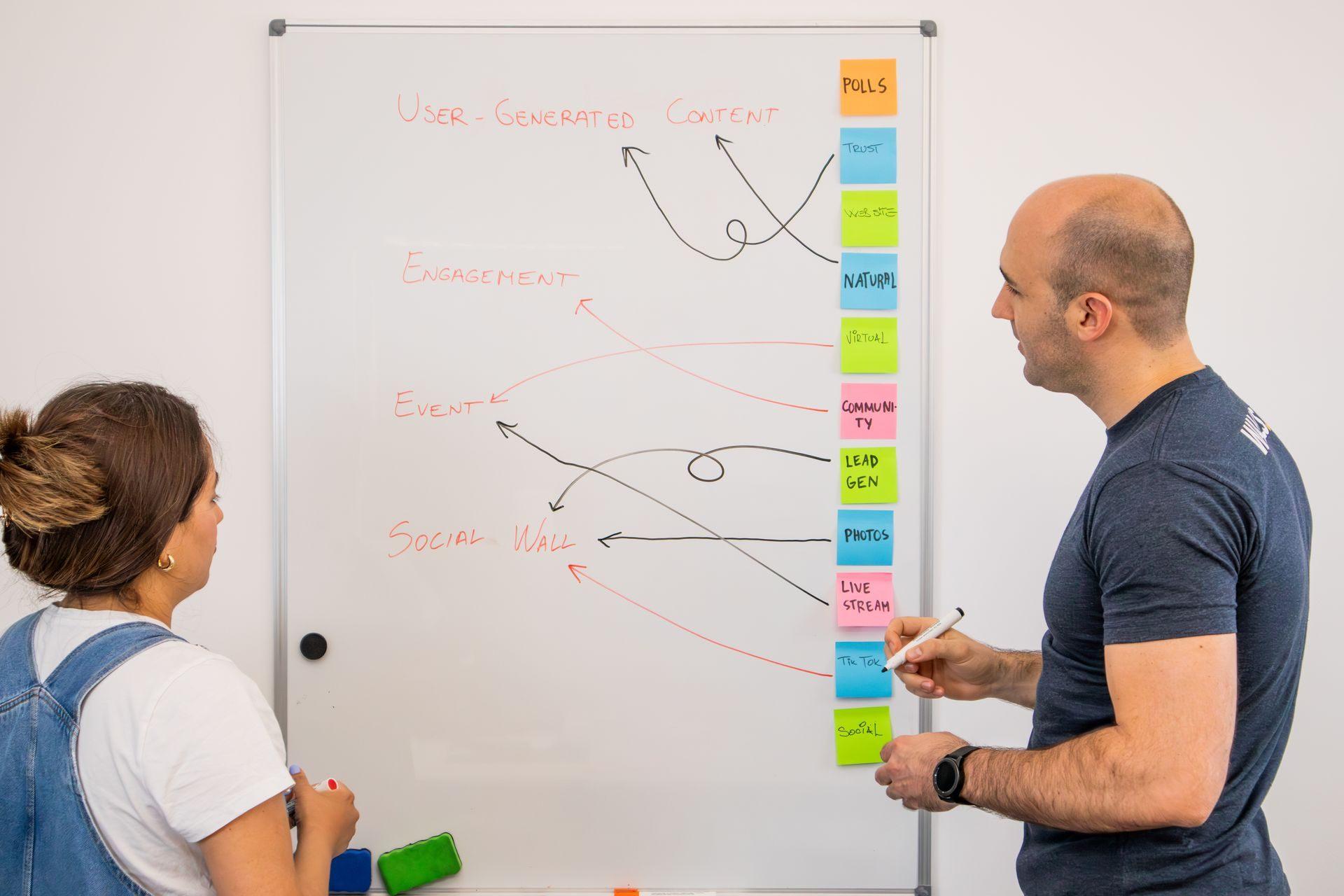
How to Brief a Video Production Company (and Get What You Pictured)
Most disappointing videos trace back to a vague brief rather than a bad crew. Here is what to put in one, what to leave out, and the single question that prevents the most expensive misunderstandings.
3 min read
The First Three Seconds: Writing Hooks That Stop the Scroll
Most short-form videos are not disliked. They are never watched. The opening seconds decide it, and hooks are a craft with patterns you can learn rather than a matter of luck.
3 min read