
The First Three Seconds: Writing Hooks That Stop the Scroll
Most short-form videos are not disliked. They are never watched. The opening seconds decide it, and hooks are a craft with patterns you can learn rather than a matter of luck.
A short-form video does not fail in the middle. It fails in the first three seconds, before anyone has seen the idea you spent the budget on. Whatever your retention graph looks like, the steepest cliff is at the start, and everything downstream is measured against however many people survived it.
That makes the hook the highest-leverage three seconds in the whole production. It deserves as much attention as the rest of the edit combined.
What a hook actually has to do
A hook has one job: make continuing to watch feel more interesting than scrolling. It does not have to explain, brand, or sell. Those come after. Front-loading the logo is the most common way to lose the audience before the message arrives.
Six patterns that reliably work
1. Open on the result
Show the finished thing first, then explain how it happened. The transformation is the reason to stay. This is why build videos almost always open on the completed build.
2. Break the expected image
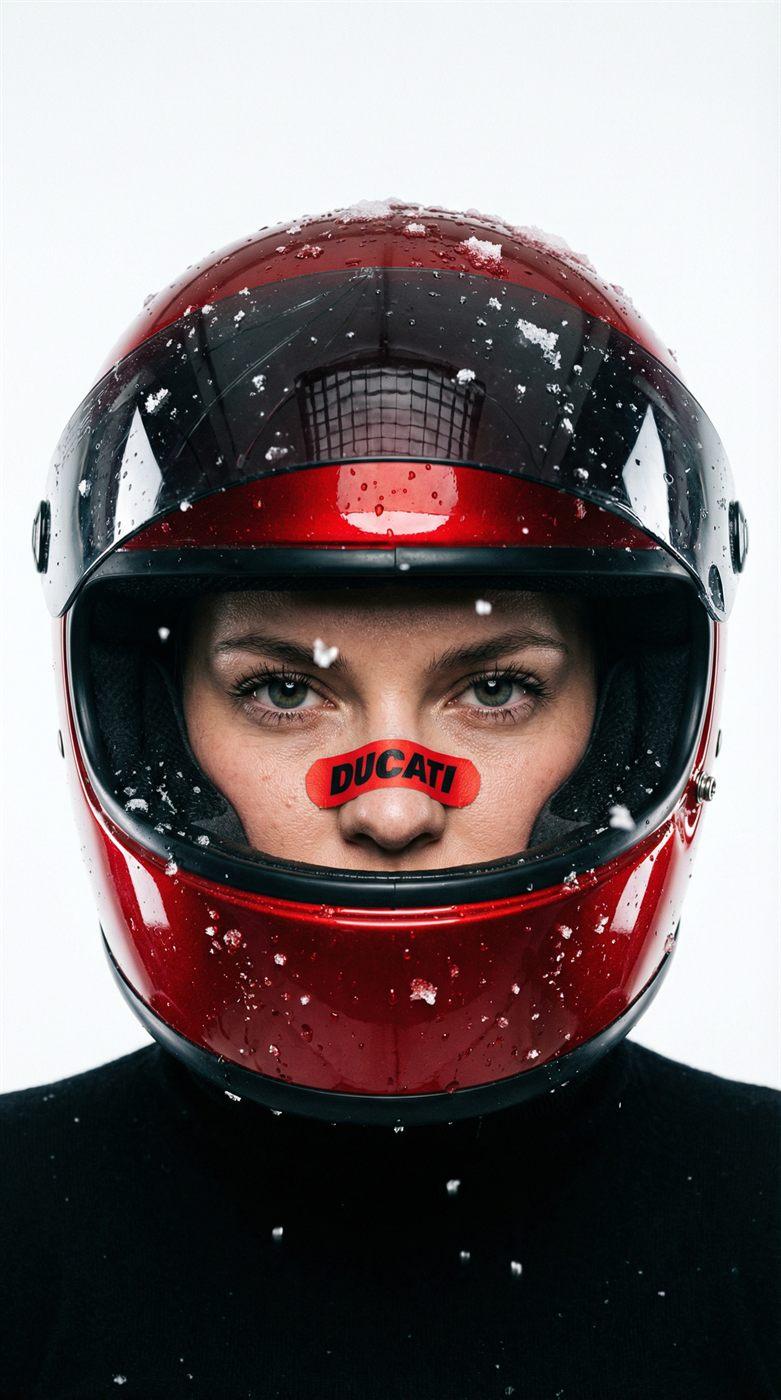
An unusual frame buys attention on its own: an unexpected location, a strange scale, something moving in a way it should not. Visual surprise is faster than any line of dialogue, and it works with sound off.
3. Ask the question they are already asking
Name the exact problem in the viewer's head. "Your ads stopped working and nothing changed." Specific beats clever. A question that is only nearly right reads as generic.
4. Contradict the common belief
Take the thing your audience assumes and reverse it. This works because it creates an open loop the viewer needs closed. It also obliges you to actually deliver on the contradiction. A hook that oversells is worse than a soft one, because it teaches people to distrust your next video.
5. Start mid-motion
Cut into movement already happening rather than easing in. A car already sliding, a hand already reaching. Static opening frames read as an advert; motion reads as an event in progress.
6. Say the stakes out loud
"This mistake cost a client eleven thousand dollars." Concrete numbers and consequences outperform adjectives every time.
Shoot the hook on purpose
Most hooks are salvaged in the edit from footage that was shot for the body of the video. It shows. If you know the concept before the shoot, add the hook to the shot list and cover it several ways. Three or four distinct openings on the same setup costs almost nothing on the day and gives the edit real options.
Then test them
The hook is the single easiest thing to A/B test, because you can change it without touching the rest of the video. Cut one film with four different openings, run them against each other, and let the retention curve pick. Do that a few times and you stop guessing. You learn which patterns work for your specific audience, which is worth more than any general advice, including this article's.
Three things that kill a hook
- A logo or brand animation before the idea. It signals "advert" at the exact moment you need to signal "content".
- A slow fade in. Every frame of black is a frame of nothing happening.
- Depending on sound. Most feeds start muted, so if the hook only works with audio, for most viewers it does not work.
Related articles
The Top 5 Video Editing Programs for Real Production Work
Every editor has a favourite and every favourite has a reason. Here is what each of the five major programs is actually good at, and how to pick the one that fits the work you are doing.
5 min read
What Actually Happens on a Commercial Shoot Day
If you have never been on set, the day can look like a lot of standing around punctuated by short bursts of filming. Here is what is really going on, hour by hour, and where your input matters most.
4 min read
How to Brief a Video Production Company (and Get What You Pictured)
Most disappointing videos trace back to a vague brief rather than a bad crew. Here is what to put in one, what to leave out, and the single question that prevents the most expensive misunderstandings.
3 min read