
How to Brief a Video Production Company (and Get What You Pictured)
Most disappointing videos trace back to a vague brief rather than a bad crew. Here is what to put in one, what to leave out, and the single question that prevents the most expensive misunderstandings.
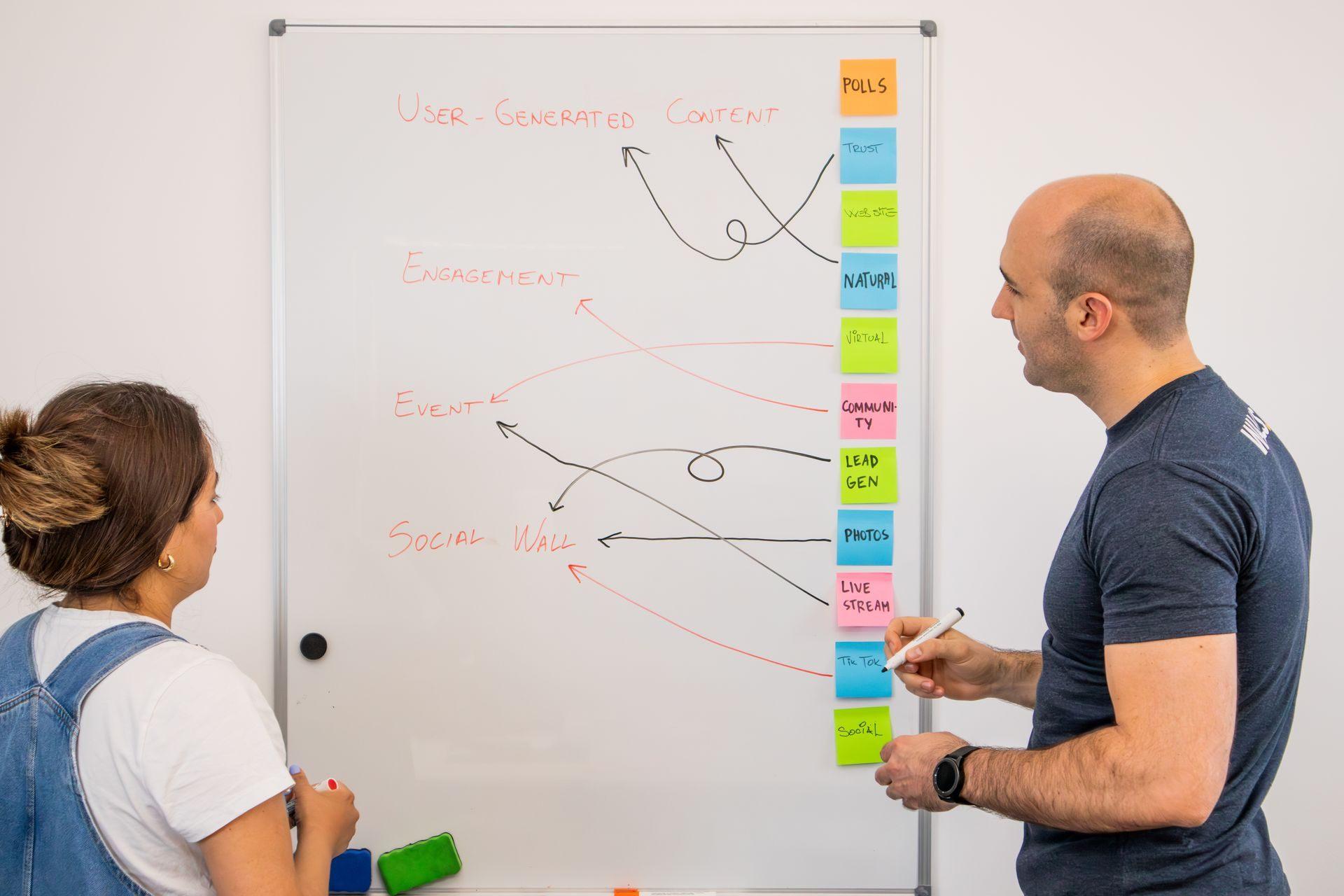
When a finished video disappoints a client, the cause is almost never that the crew could not shoot. It is that two people had different films in their heads and neither found out until the edit. A good brief is the cheapest insurance in production, and it is short: one page is usually enough.
Start with the job, not the video
Open with one sentence describing what the video has to achieve, in business terms. Not "a 60-second brand film". That is a format. Something closer to: "Get qualified riders to book a test ride at the Culver City showroom."
Formats follow from objectives. If the objective is booked test rides, the answer might be six 15-second ads rather than one 60-second film, and you want the production company able to tell you that before the budget is spent.
Name the audience specifically
"Everyone" produces work that lands with no one. Be specific enough that it constrains a creative decision: age, location, what they currently do instead, and what they would have to believe to act.
If the brief does not rule anything out, it is not a brief. It is a wish.
List the deliverables exactly
This is the section that most often causes an overrun, because aspect ratios are a production decision, not a post one. Framing a shot for 16:9 and later cropping it to 9:16 loses the sides of the frame, and often the product.
Spell out every cut you will need:
- Durations: 60s, 30s, 15s, 6s.
- Aspect ratios: 16:9, 9:16, 1:1, 4:5.
- Where each one runs: Meta, YouTube pre-roll, in-store screens, the website hero.
- Captions or subtitles, and whether they are burned in or supplied as a file.
- Whether you need stills from the same shoot, which changes the day's schedule.
Give references, and say why
References are useful and frequently misused. Sending three films you like without explanation invites a guess. Say which specific element you are pointing at: the pacing in the first, the colour in the second, the tone of voice in the third.
It is just as useful to include one reference you dislike, with the reason. Ruling something out is often clearer than describing what you want.
Be honest about budget
Withholding the budget to "see what they come back with" costs you the version of the pitch that was designed for your actual money. With a real number, a production company will tell you whether it buys one ambitious shoot day or three simple ones, and which is the better trade for your objective.
Include the boring constraints
- Hard deadlines, and what they are tied to (a launch, a trade show, a seasonal window).
- Brand mandatories: logo treatment, colour, fonts, legal disclaimers, required end cards.
- Anything that cannot appear on camera: competitor products, unreleased packaging, staff who have not signed a release.
- Who approves, and how many rounds of revision are included.
The question that saves the most money
Before anyone books a crew, ask: "What would make you say this shoot went badly?"
Asked of yourself, it surfaces the assumptions you did not write down. Asked of the production company, it surfaces the risks they can already see: the location that needs a permit, the shot that needs a second day, the product that will not arrive in time. Those are all far cheaper to hear in a briefing than on a shoot day.
Related articles
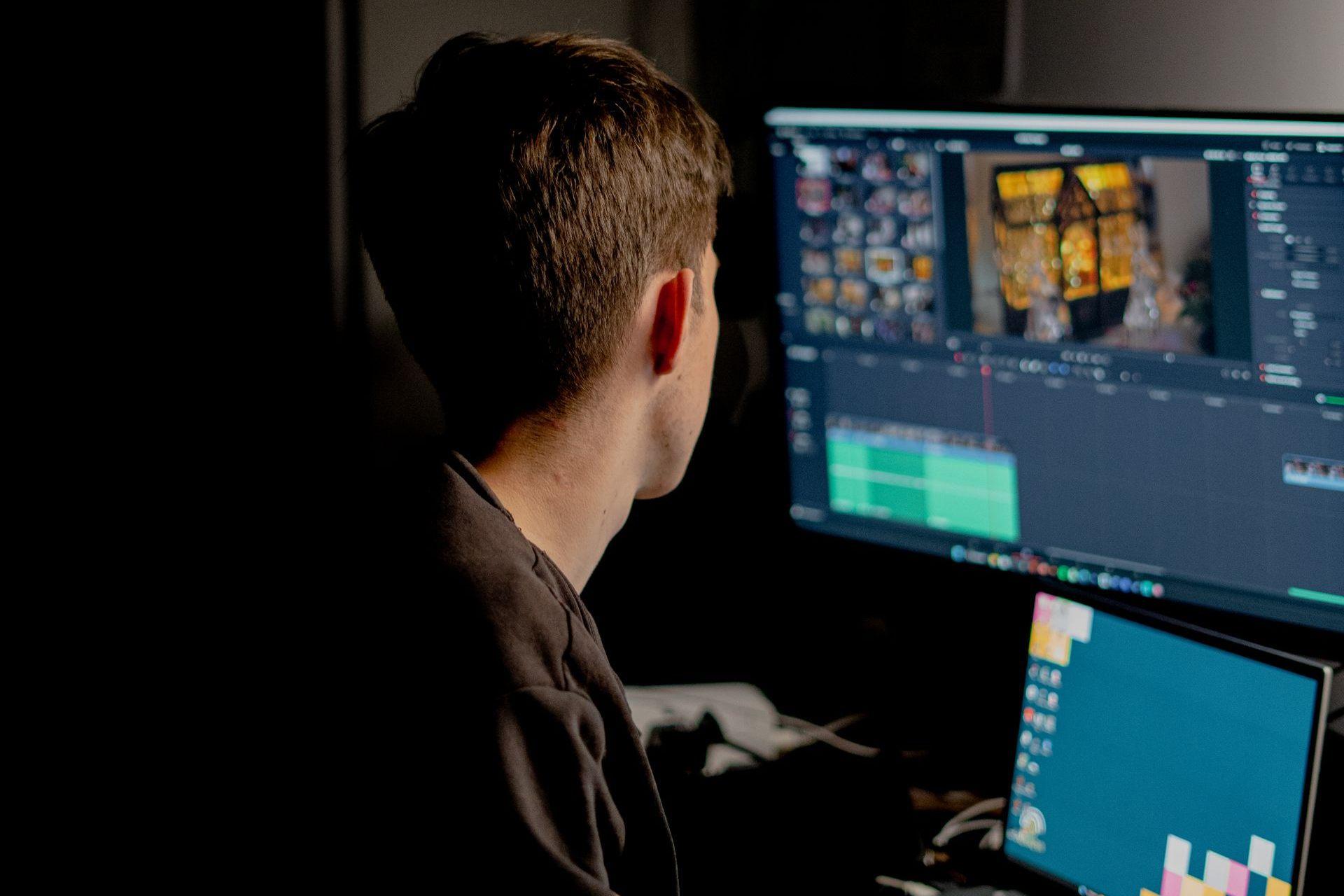
The Top 5 Video Editing Programs for Real Production Work
Every editor has a favourite and every favourite has a reason. Here is what each of the five major programs is actually good at, and how to pick the one that fits the work you are doing.
5 min read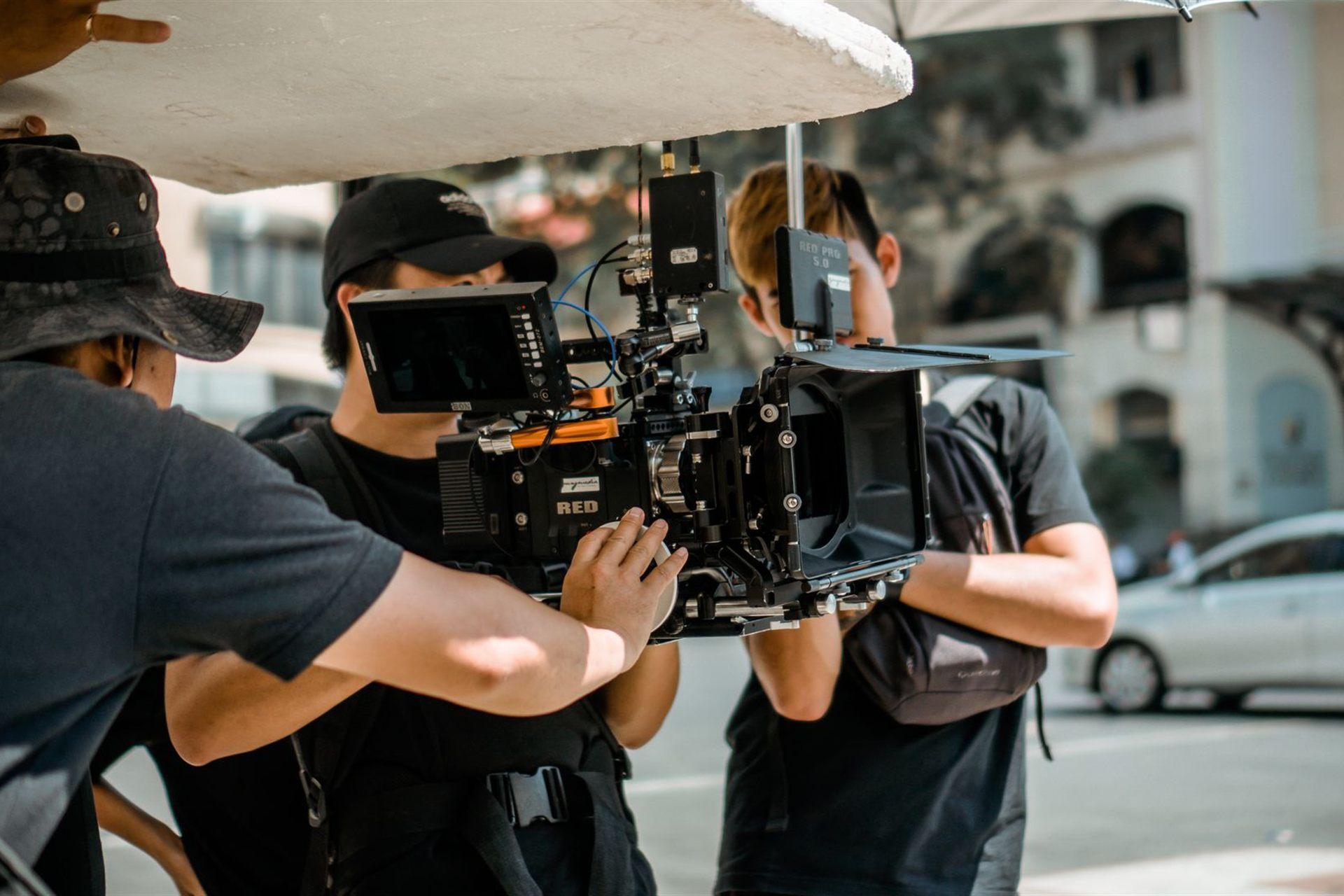
What Actually Happens on a Commercial Shoot Day
If you have never been on set, the day can look like a lot of standing around punctuated by short bursts of filming. Here is what is really going on, hour by hour, and where your input matters most.
4 min read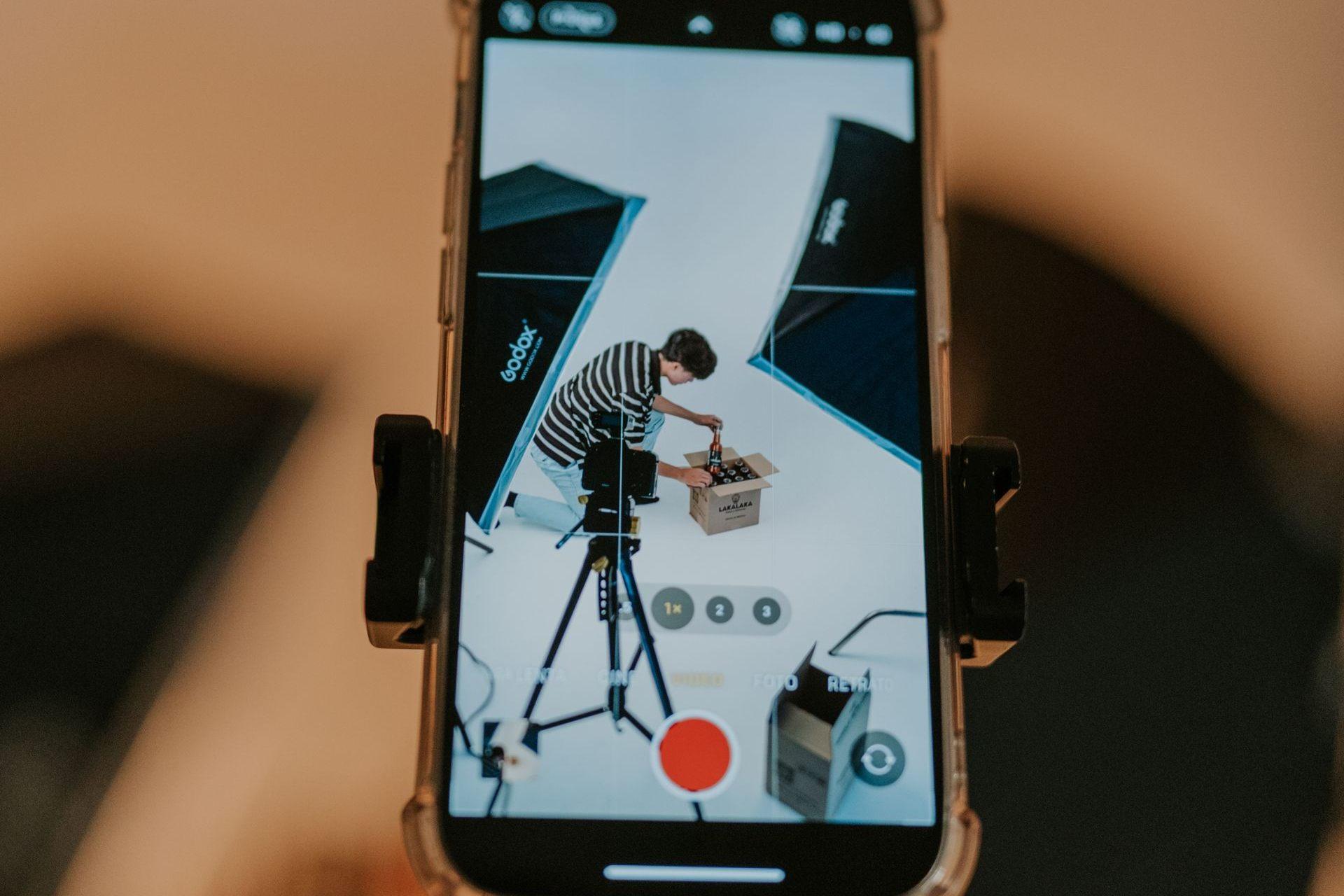
The First Three Seconds: Writing Hooks That Stop the Scroll
Most short-form videos are not disliked. They are never watched. The opening seconds decide it, and hooks are a craft with patterns you can learn rather than a matter of luck.
3 min read