
Creative Fatigue: Why Your Best Ad Stops Working
An ad that carried the account for two months quietly starts costing more for less, and nothing about the setup changed. Here is how to spot fatigue early and build a pipeline that outruns it.

There is a specific kind of bad week in paid media where nothing was changed and everything got worse. Same targeting, same budget, same landing page. And the cost per result has drifted up by forty percent over a fortnight.
Usually the ad has not stopped working. The audience has stopped seeing it for the first time.
What fatigue actually is
Every audience is finite. As spend accumulates, the pool of people who have never seen the ad shrinks, and the algorithm has to show it again to people who already ignored it once. Those repeat impressions convert worse and cost more, and the blended numbers slide.
It is not a failure of the creative. It is the creative reaching the end of its useful life, which every ad eventually does. The good ones just take longer.
The early signals
Fatigue is visible well before it shows up in cost per acquisition, if you know where to look:
- Frequency climbing steadily, the direct measure of how often the same people are seeing it.
- CTR declining while impressions hold steady. The ad is being shown as much and clicked less.
- CPM rising without a seasonal or auction explanation.
- First-time impression ratio falling. The clearest signal, and the most overlooked.
- Comments repeating themselves, or going quiet. Engagement drying up usually precedes performance dropping.
Watch CTR and frequency together weekly. By the time cost per acquisition moves, you are already a couple of weeks and a chunk of budget late.
A new cut is not a new concept
This is where most refreshes fail. Re-trimming the same footage, swapping the music, or changing the headline gives you a new ad ID and, briefly, slightly better numbers. Then the decline resumes, because the audience is not tired of the edit. They are tired of the idea.
If a viewer would describe your new ad the same way they described the old one, it is not a refresh.
A genuine refresh changes something the viewer would notice and describe: a different format, a different person on camera, a different argument for the same product.
Build a pipeline, not a rescue
The expensive version of this problem is treating each instance as an emergency: noticing the decline, briefing a shoot, waiting three weeks, and running degraded performance the whole time.
The cheaper version is producing creative on a schedule that assumes fatigue, because it is not a question of if. In practice that means:
- Shoot for volume. A single well-planned day can produce several distinct concepts if the shot list is written for it, and that is far cheaper than three separate days later.
- Keep a small bench of tested-but-not-scaled creative ready to promote when a top performer starts sliding.
- Refresh on the calendar, not on the panic. Introduce new concepts before the numbers demand it.
- Retire properly. An exhausted ad left running quietly raises your blended cost. Pause it rather than hoping it recovers.
When it is not fatigue
Before commissioning new work, rule out the cheaper explanations. Rising CPMs across every campaign at once usually means auction pressure (a seasonal peak, a competitor's launch) rather than creative. A drop confined to one placement is a placement problem. A drop that starts the same day the site changed is a landing page problem.
Fatigue looks specific: one ad declining while its neighbours hold, with frequency climbing underneath it. If everything fell at once, look at the account or the market before you look at the creative.
Related articles

A Creative Testing Framework for Meta Ads
Once targeting is largely automated, creative is the main lever left. Here is a testing structure that produces answers you can actually act on instead of a folder of inconclusive experiments.
4 min read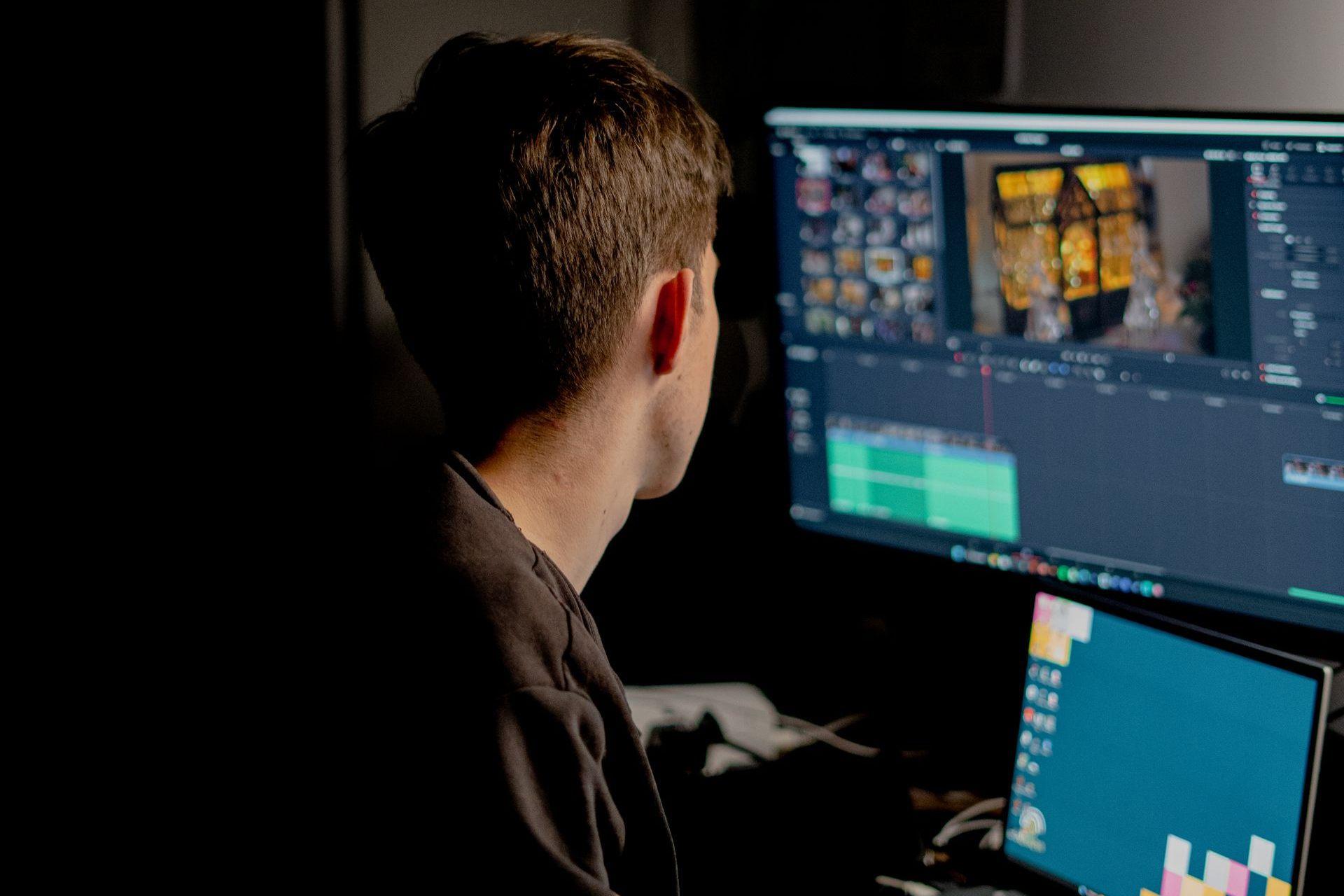
The Top 5 Video Editing Programs for Real Production Work
Every editor has a favourite and every favourite has a reason. Here is what each of the five major programs is actually good at, and how to pick the one that fits the work you are doing.
5 min read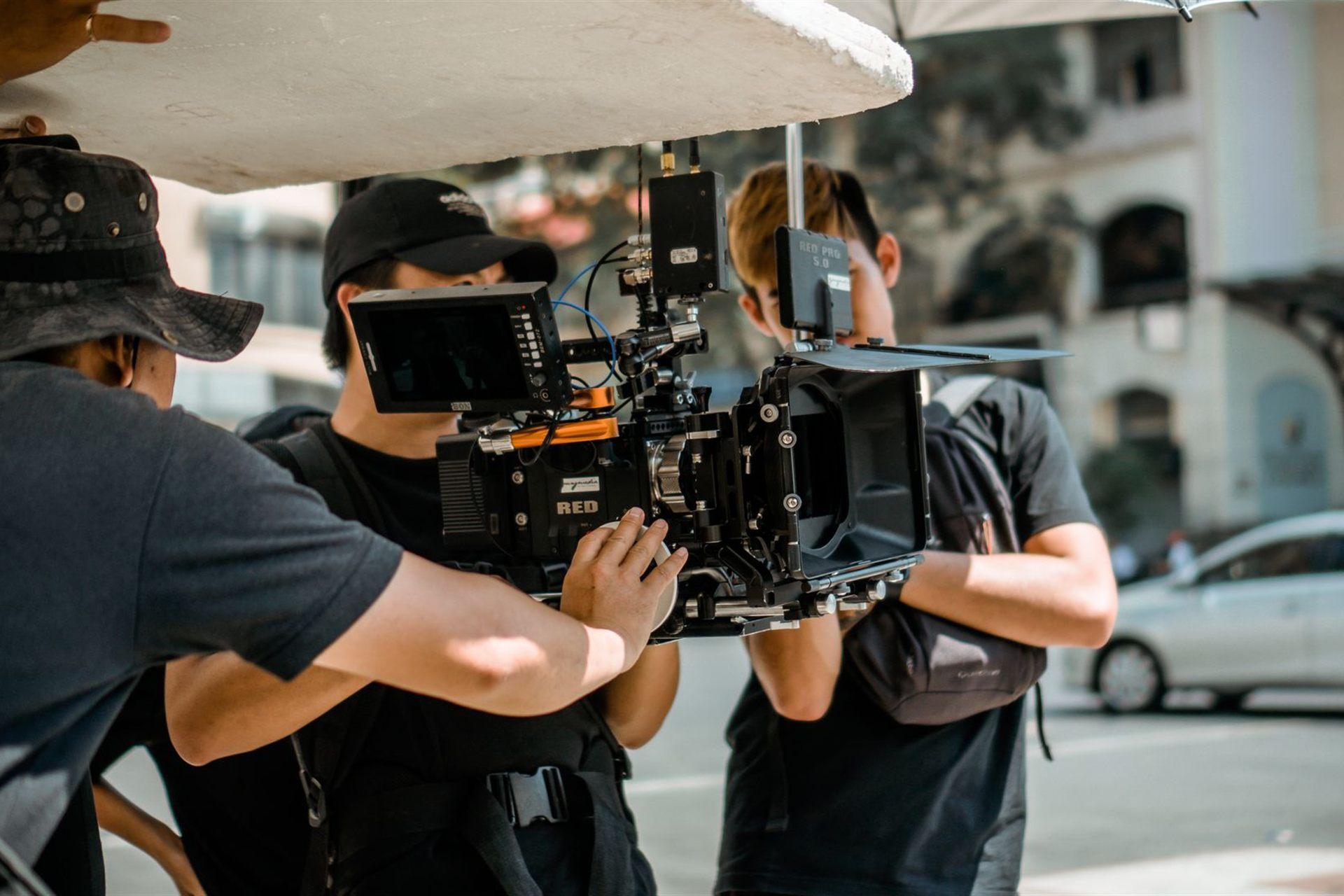
What Actually Happens on a Commercial Shoot Day
If you have never been on set, the day can look like a lot of standing around punctuated by short bursts of filming. Here is what is really going on, hour by hour, and where your input matters most.
4 min read