
The Psychology of Storytelling: Why Humans Remember Stories, Not Ads
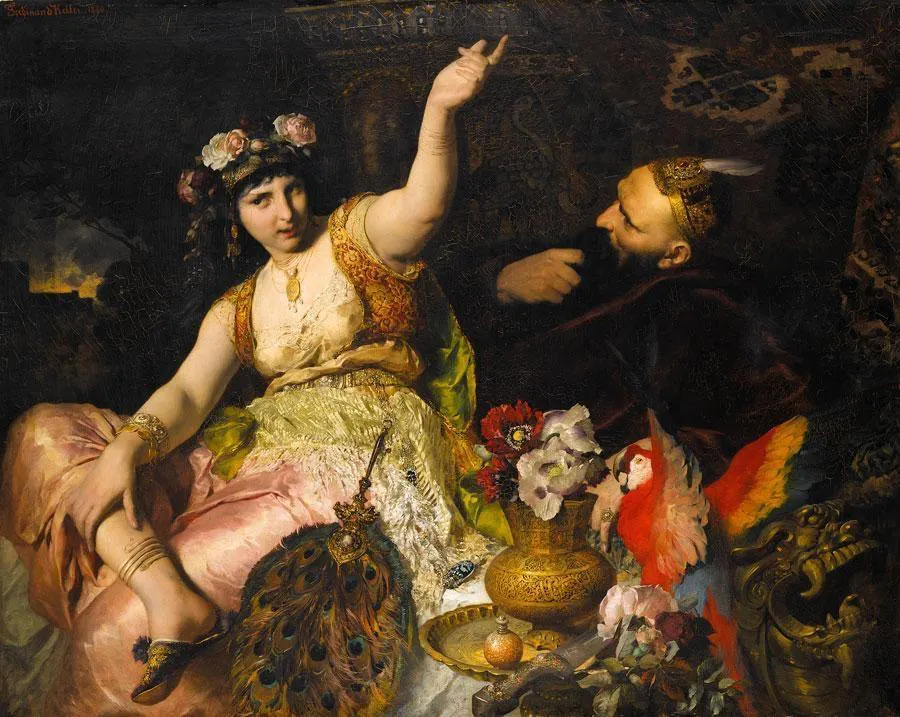
When was the last time you remembered an advertisement word for word? Probably never. But ask anyone about a movie scene that made them cry, a story that made them laugh, or even a childhood tale that stuck with them, and the details flow back almost instantly. That’s the power of storytelling. We don’t memorize taglines; we hold onto experiences. We don’t connect with a slogan; we connect with characters. And this simple truth explains why stories have always been, and will always be, the most effective tool in communication.
Psychologists have long studied why narratives stick in our memory, and the answer is clear: stories engage both the logical and emotional parts of our brain at the same time. When we hear a list of facts, only the language-processing centers light up. But when we hear a story, our brains simulate the experience—we imagine the sights, we feel the emotions, we place ourselves inside the scene. The story doesn’t just inform us; it immerses us. That’s why it’s easier to recall the plot of a film you saw years ago than the features of a product you read about last week.
In advertising, this difference matters more than ever. Audiences today are overwhelmed with content. They’re bombarded by more messages in a single day than previous generations encountered in a week. Skip buttons, ad blockers, endless scrolling—people are experts at tuning out what feels like “just another ad.” But when a message is wrapped inside a story, when it feels human instead of transactional, the defenses come down. Suddenly, what was once “marketing” becomes something more familiar, more meaningful, and far more memorable.
At Hazel Production, this is the philosophy that drives every project. We know that great visuals capture attention, but it’s the narrative thread that holds it. A beautifully shot commercial without a story might impress in the moment, but a campaign with a compelling narrative lingers in the mind and resurfaces days, weeks, even years later. Whether it’s a brand film, a product story, or even a thirty-second social spot, the question we always ask is: what’s the human connection here? Because people may not remember the technical specs, but they’ll remember how it made them feel.
The irony is that many brands still cling to the old way—highlighting features, prices, and promotions as if those are the things that will move people. And yes, those details matter, but they’re not what creates loyalty. Loyalty is emotional. Loyalty comes when someone sees themselves reflected in your story, when they feel understood, when your brand becomes part of their narrative instead of just another ad in the feed. That’s why the campaigns that break through are the ones that lean into character, journey, and meaning rather than cold selling points.
Think about it: humans have told stories around fires, in books, on stages, and on screens for thousands of years. Stories are how we’ve passed down culture, preserved history, and taught values. They’re how we make sense of the world and our place in it. No piece of technology, no platform algorithm, no AI tool will ever change that. Technology may evolve how stories are delivered, but the psychology of storytelling remains the same—it’s hardwired into us.
And that’s the edge for any brand willing to embrace it. The ads people forget are the ones that shout facts. The stories people remember are the ones that speak to hearts and minds together. So if you want to be remembered, stop thinking about ads and start thinking about stories. Because in the end, humans don’t buy from the brands with the loudest message—they buy from the ones with the most meaningful story.
✨ Hazel Production — bringing brand stories to life through film, creativity, and human connection.