
JUST USE AI
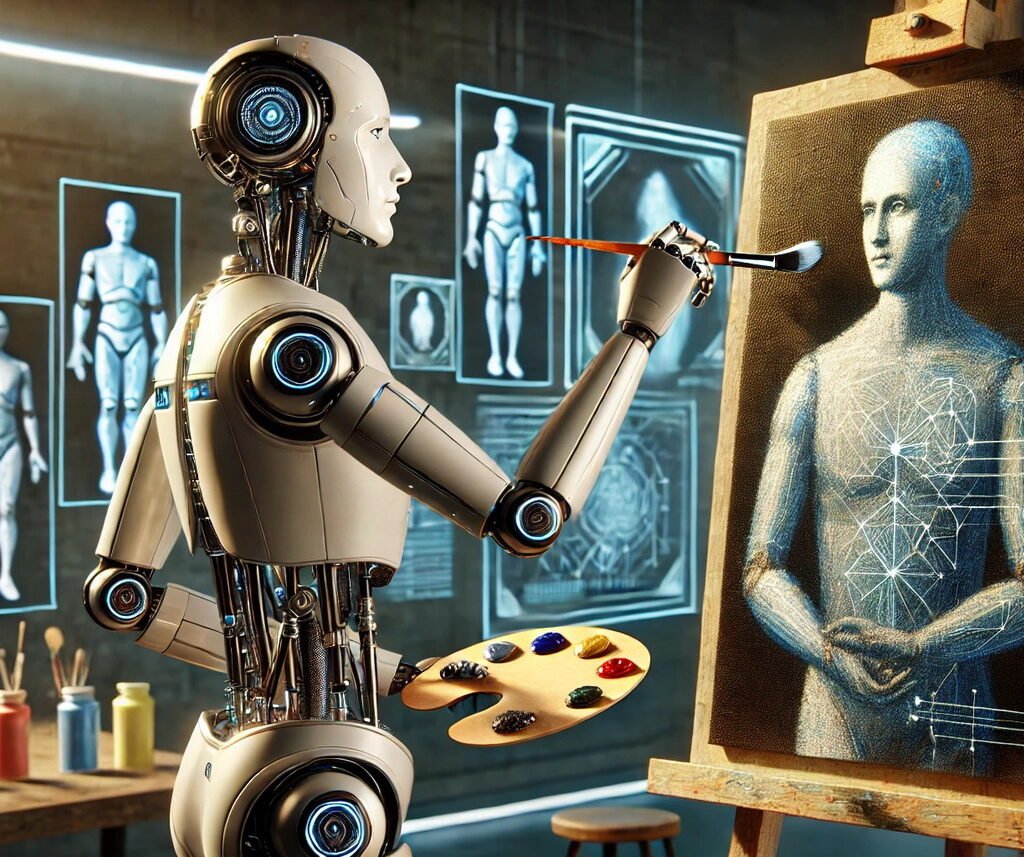
“Just use AI.” It’s a phrase we hear more and more, often delivered as if it’s the magic solution to every creative challenge. Can’t think of a caption? Just use AI. Need a blog draft? Just use AI. Want a pitch deck design? Just use AI. It’s tempting because it feels like the easy button we’ve all been waiting for. But here’s the thing: creativity has never been about shortcuts. It has always been about connection, about perspective, about the story behind the output. AI may be impressive in what it can generate, but without human intention guiding it, the result risks being hollow.
The way I see it, AI is no different than any other tool we’ve adopted in the creative space. A camera doesn’t tell a story by itself. An editing suite doesn’t create meaning on its own. Even the most expensive equipment is only as good as the person behind it. At Hazel Production, we lean into technology to enhance our work every single day. We’ve experimented with AI to help speed up workflows, whether that’s refining drafts, generating inspiration boards, or automating parts of the post-production process. It helps us work faster, it helps us test more ideas, and it opens doors to creative options we may not have considered. But here’s the critical difference—it doesn’t replace the filmmaker, the writer, the designer, or the strategist. The vision still has to come from people who understand nuance, culture, and emotion.
That’s why the mindset of “just use AI” misses the bigger point. When people say it, they often mean “let the machine do the heavy lifting,” as if creativity is purely about efficiency. But creativity is not an assembly line. AI can put words together in the right order, but it doesn’t know your voice. It can generate images, but it doesn’t understand the emotion you want to evoke. It can mimic styles, but it doesn’t grasp why certain ideas resonate with an audience. The gap between what AI produces and what truly connects is filled by human judgment, experience, and imagination.
I often compare AI to a loudspeaker. It amplifies what you put into it, but it doesn’t decide the message. If your input is generic, the output will be generic. If your input is thoughtful and intentional, the output can be amplified into something more powerful. That’s why our team at Hazel Production doesn’t treat AI as the author of our work but rather as an assistant in the creative process. It gives us options. It helps us explore. But it’s always human insight that decides what is right for the story we’re telling.
And this matters more than ever because audiences are smart. People buy from people, not from machines. They may scroll past an AI-generated caption or a stock image post without giving it a second thought. But when they see content that feels authentic, that has personality and perspective, they stop and engage. We see this constantly in production. A product shot on its own can be visually clean, but the moment you introduce a person into the frame—someone interacting with it, expressing joy, frustration, or discovery—that shot transforms. Suddenly, it has context, relatability, and emotion. That’s the difference between material that looks good and material that makes an impact. AI doesn’t understand that distinction. It can replicate patterns, but it cannot replicate presence.
This is why the idea of “just using AI” is misleading. Should we use it? Absolutely. Ignoring it is not an option—it’s already reshaping industries, and those who refuse to adapt will inevitably fall behind. But using it carelessly is just as risky. When every other brand is posting AI-written captions and AI-edited reels, the ones that stand out will be those who bring something human to the table. The future won’t belong to companies who let AI run the show. It will belong to those who know how to combine its efficiency with authenticity, turning the tool into an amplifier of their own creativity rather than a replacement for it.
So no, AI isn’t coming to take over creative industries. It isn’t here to replace filmmakers, photographers, or storytellers. It’s here to sit beside them, like editing software, like a camera stabilizer, like Photoshop. It’s one more tool in a creative toolkit that is constantly evolving. The skill lies in knowing how and when to use it. A spoon is useful, but you wouldn’t use it to cut a steak. The same applies to AI—it has a role, but it’s not the only solution.
In the end, the answer is yes—just use AI. But use it wisely. Use it to open possibilities, not to shut down originality. Use it to extend your reach, not to replace your vision. At Hazel Production, we believe the future belongs to those who can balance innovation with humanity. The technology is here to stay, but it will always be the human story that makes audiences feel, believe, and act. And that’s something no algorithm can replicate.
✨ Hazel Production — Creative storytelling with technology as our partner, not our replacement.